A thirty-five millimeter walk through a small town
Keep a fixed focal length and change distance to include useful surroundings.
Read the notebookLOOK A LITTLE CLOSER.
THERE IS ALWAYS MORE TO SEE.
An unhurried guide to lenses, working distance, beautiful backgrounds, and the small things that make a picture feel personal.
Find your point of viewOne lens. A little curiosity.
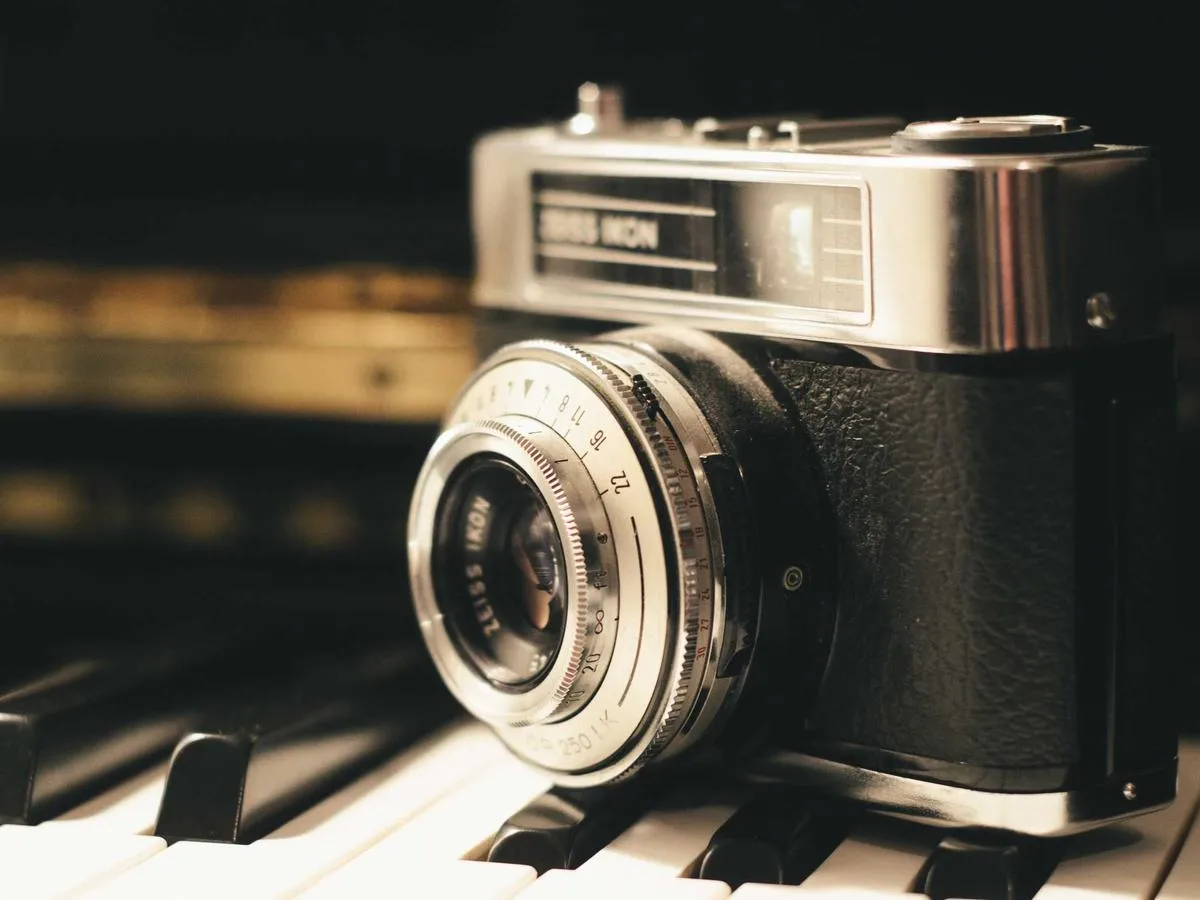 Evaluate a vintage lens on a modern body
 A CLOSER LOOK
A little understanding goes further than another lens in the bag.
Keep a fixed focal length and change distance to include useful surroundings.
Read the notebookCheck working distance before committing to a tight portrait lens.
Read the notebookMove until the subject and surrounding shapes have the intended relationship.
Read the notebookIncrease focal length while maintaining a clear line of sight.
Read the notebookKeep faces away from extreme corners and avoid shooting too close.
Read the notebookKeep enough foreground to establish position without exaggerating near objects.
Read the notebookList likely working distances before choosing the lens with useful coverage.
Read the notebookChange position until repeating elements align cleanly behind the subject.
Read the notebookFind the minimum focusing distance before choosing a tighter crop.
Read the notebookDecide which additional context earns its place before switching lenses.
Read the notebookIncrease camera distance before making the framing tight with a longer lens.
Read the notebookUse a focal length that includes the room without crowding the sitter.
Read the notebookAgree on simple directions before increasing the working distance.
Read the notebookPlace the person where surrounding lines support rather than distort them.
Read the notebookChange distance to reduce exaggerated size differences between near and far features.
Read the notebookStop down or reposition until both faces fit the useful focus range.
Read the notebookWork far enough away to allow interaction without filling the frame with clutter.
Read the notebookRaise the camera slightly if near feet become disproportionately large.
Read the notebookPhotograph a personal object at a useful scale without forcing excessive magnification.
Read the notebookPrepare three shooting distances instead of changing lenses between every setup.
Read the notebookIncrease subject-to-background distance before changing the aperture.
Read the notebookLook for broad color and shape relationships rather than tiny details.
Read the notebookMove until the brightest background highlights sit away from the subject's outline.
Read the notebookPlace a nearby element outside the focus plane without covering important features.
Read the notebookCompare apertures and highlight placement to choose the preferred bokeh shape.
Read the notebookUse separated foreground, subject, and background distances to establish depth.
Read the notebookStop down until the landmark reads without competing with the face.
Read the notebookChange viewpoint so thin high-contrast lines no longer crowd the subject.
Read the notebookFind simple patches of color that remain calm even at a smaller aperture.
Read the notebookVary focus distance while keeping the light arrangement consistent.
Read the notebookAlign the sensor with the leaf surface before opening the aperture.
Read the notebookConfirm electronic communication and working distance before approaching the subject.
Read the notebookPosition the camera around the eye rather than the insect's body outline.
Read the notebookMove the object relative to the window to change reflection shape.
Read the notebookMove the camera before removing or disturbing anything in the scene.
Read the notebookMove in small increments while maintaining the selected lens focus setting.
Read the notebookAllow the lens and subject to settle before composing very near the surface.
Read the notebookReduce magnification when a wider detail communicates the subject more clearly.
Read the notebookUse the camera's supported close-focus range and avoid blocking the light.
Read the notebookControl reflected background color with neutral cards near the object.
Read the notebookInspect colored fringes in front of and behind the focus plane separately.
Read the notebookChange the light angle slightly until the flare supports the subject.
Read the notebookPhotograph a flat detailed scene with careful alignment and repeated focus checks.
Read the notebookNotice framing changes while moving focus through a static arrangement.
Read the notebookJudge corner darkness in the composition before applying a profile correction.
Read the notebookStop down and partially hide the bright source behind a solid edge.
Read the notebookCompare a sheltered high-contrast subject with a distant hazy one.
Read the notebookTest infinity focus, adapter fit, and exposure behavior before a full session.
Read the notebookChange the filter and light angle independently before diagnosing ghost images.
Read the notebookPhotograph the same subject across distances and apertures with a consistent edit.
Read the notebookChoose focal lengths that produce distinct working distances rather than tiny overlaps.
Read the notebookCheck autofocus behavior, weight, and handling in conditions similar to the job.
Read the notebookConfirm the hood is seated correctly and check corners at the widest setting.
Read the notebookSupport the lens and protect the mount from twisting loads in the bag.
Read the notebookVerify thread sizes and test step-up rings for wide-angle obstruction.
Read the notebookMatch camera position when comparing framing and match subject size for distance studies.
Read the notebookCompare carrying comfort and actual shooting opportunities over a full walk.
Read the notebookPre-focus at a predictable distance and release as the subject enters the plane.
Read the notebookPrepare the replacement lens and explain the pause before changing equipment.
Read the notebookGroup selected photographs by focal length and intended visual role.
Read the notebookTry another word or choose a different collection.